

The Fortnite player count remains among the largest in gaming in 2026. At the time of research on September 21, approximately 1.36 million users were online, with about 872,000 actively inside matches. The highest in-match total during the previous 24 hours was approximately 1.92 million.
These live figures cover the wider Fortnite ecosystem rather than Battle Royale alone. Players are divided among Battle Royale, Zero Build, Reload, Fortnite OG, Epic-made experiences, and thousands of creator-made islands.
There is no permanent official counter published by Epic Games on a public statistics page. Live tracking services collect the player figures shown through Fortnite’s discovery system, so their numbers are useful snapshots rather than monthly reports directly released by Epic.
The available evidence still answers the main question clearly: millions continue to use Fortnite each day, and well over one million may be online at the same time during active periods.
Fortnite Activity at a Glance
Metric | September 21, 2026 snapshot | Meaning |
Users online | 1,359,733 | Accounts connected to Fortnite |
Players in matches | 872,218 | Users actively playing an experience |
24-hour in-match peak | 1,919,724 | Highest simultaneous in-match total that day |
Recorded all-time peak | 14,343,880 | Highest tracked simultaneous population |
Date of record | November 30, 2024 | Day of the Remix Finale event |
Exact monthly active users | Not publicly available | Epic does not maintain a public monthly counter |
Registered accounts | Not equal to active players | A historical reach metric rather than current activity |
Quick answer: Fortnite still attracts roughly one million or more concurrent users during normal periods in 2026, with activity climbing higher at daily peaks. The exact number changes by the minute. No public figure accurately represents every daily or monthly user, but live discovery data confirms that Fortnite retains a very large active community.
Understanding the Live Numbers
“Online now” and “in-match now” are related measurements, but they are not identical.
Online users may be browsing the item shop, changing locker items, waiting in a party, looking through Discover, or preparing to join an experience. In-match players have already entered Battle Royale, Creative, or another playable mode.
This explains why the online total is usually higher. At the research snapshot, the difference between the two figures was approximately 487,500 users.
Concurrent players should not be confused with daily active players. Concurrency measures one moment. A daily total counts different people who log in throughout 24 hours. If one group plays in the morning and another joins at night, both groups contribute to daily activity even though they were never online together.
Monthly activity is broader still. It can include anyone who played at least once during the month, even if that person logged in for only a few minutes.
Why Fortnite Does Not Have a Steam Player Chart

Fortnite is not distributed through Steam. PC players normally access it through the Epic Games Launcher, so websites such as SteamDB and Steam Charts cannot measure its audience.
This is an important difference between Fortnite and multiplayer games that release on Valve’s store. A low number or missing listing on Steam does not indicate that Fortnite has few PC users. It simply means the game operates outside that platform.
The full community is spread across:
- Windows PC
- PlayStation consoles
- Xbox consoles
- Nintendo systems
- Supported Android devices
- Supported iPhones and iPads in available regions
- Cloud-gaming services
Cross-play connects many of these users within shared matchmaking pools. Because the player base is distributed across several devices, looking at one storefront would provide an incomplete answer even if public platform statistics were available.
Fortnite Is Now an Ecosystem, Not One Mode

Early player-count discussions treated Fortnite and Battle Royale as almost the same thing. That approach no longer describes the game accurately.
Battle Royale remains a central attraction, but Fortnite now includes Zero Build, Reload, OG experiences, LEGO-themed content, music experiences, racing content, limited-time modes, social spaces, and user-created islands. Some players can spend an entire session without entering the traditional 100-player battle royale mode.
At the September research snapshot, the standard Battle Royale experience had approximately 255,000 players. Reload had around 111,000, while Fortnite OG and individual creator-made islands attracted additional users.
These separate counts form parts of the larger online population. Adding only the official Battle Royale modes will miss people playing Creative content. Adding every displayed island manually can also cause errors because experiences change, duplicate listings may appear, and users outside active matches are excluded.
The ecosystem-wide total is therefore the most useful number when asking how many people play Fortnite overall.
From an Ordinary Day to a Record Event
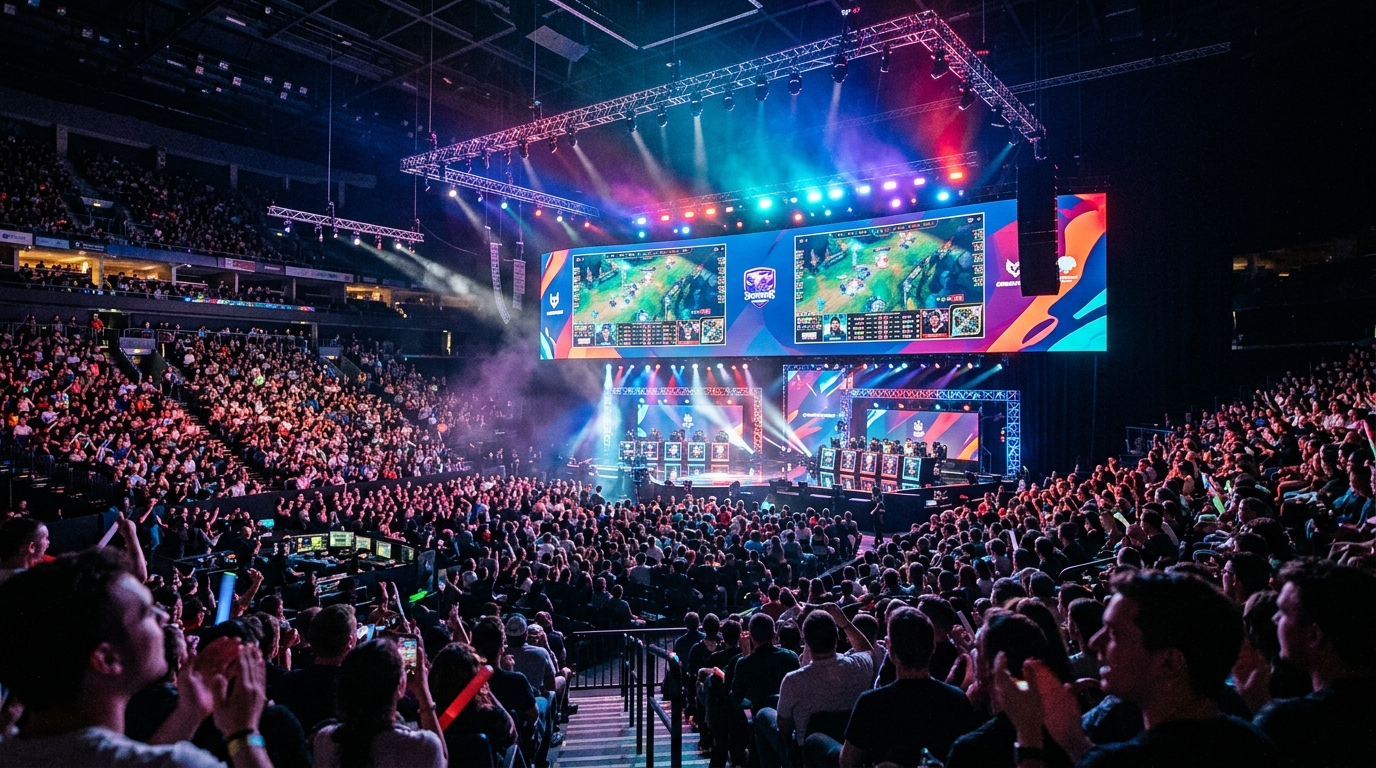
Fortnite’s population can rise dramatically during concerts, finales, new chapters, and nostalgic events.
The tracked all-time high of 14,343,880 concurrent users occurred on November 30, 2024, during the Remix Finale. That total was more than seven times the 24-hour peak observed in the September 2026 snapshot.
The difference does not mean the game lost nearly all its regular audience. A special event concentrates people into a narrow period. Players who normally log in on different days or at different hours may all join at once to avoid missing a one-time experience.
Another record illustrates the difference between daily and concurrent measurements. Epic reported that more than 44.7 million unique players participated on November 4, 2023. Those users generated 102 million hours of play during the day.
The 44.7 million figure did not mean that every participant was online simultaneously. It covered people who logged in at different points across 24 hours. Comparing it directly with a live concurrent count would be inaccurate.
Is Fortnite Losing Players in 2026?
Fortnite remains highly active, but its engagement has not stayed at record levels throughout 2026.
Epic acknowledged a downturn in engagement during the year. Engagement can include the number of active users, how frequently they return, and how long they play. A decline in average playtime does not necessarily mean millions of accounts disappeared. Existing users may simply be playing fewer hours.
The distinction matters because Fortnite’s 2023 and 2024 peaks were unusually strong. Fortnite OG, major collaborations, and the Remix Finale encouraged former players to return in large numbers. Later periods can appear weak when compared with those exceptional events, even while retaining more than a million concurrent users.
The September snapshot indicates a smaller audience than the 2024 record, but it does not support claims that the game is empty. A 24-hour in-match peak near two million remains far beyond what most multiplayer games achieve.
A fair assessment is that engagement has cooled from exceptional highs while the active population remains substantial.
What Makes the Count Change So Quickly?
The live total moves throughout the day because Fortnite serves a worldwide audience. Activity usually rises as major regions reach their afternoon and evening gaming hours.
Several other factors create larger changes:
- New seasons: Map changes, weapons, quests, and Battle Pass rewards bring players back.
- Live events: Limited-time finales can produce unusually high concurrency.
- Collaborations: Recognizable characters, musicians, and entertainment brands attract new and returning users.
- Fortnite OG updates: Returning maps and items appeal to longtime players.
- School calendars: Weekends and holidays can increase younger-player participation.
- Content completion: Activity may fall later in a season as players finish rewards.
- Competing releases: A major new game can temporarily take attention away.
- Server problems: Outages, maintenance, and long queues can lower the playable population.
A single reading cannot show all these patterns. A seven-day or monthly chart provides better context than one number captured during a quiet hour.
Does the Current Population Support Fast Matchmaking?
Fortnite has enough players to support active matchmaking in its largest modes. Battle Royale, Zero Build, Reload, and popular Creative islands usually have large pools from which matches can be formed.
Queue times can still vary. The number of compatible players matters more than the entire ecosystem total. Matchmaking may consider region, input, skill level, ranked division, party size, selected mode, and whether bots are used to complete a lobby.
A million users spread across thousands of experiences are not all available for one Battle Royale match. Someone choosing a niche Creative island may encounter fewer opponents than a player entering an unranked Battle Royale lobby.
Ranked players at the highest skill levels can also wait longer because the system has fewer suitable opponents. This does not prove the overall population is low.
For most players in well-populated regions, Fortnite’s current activity should be sufficient for regular matches throughout the day.
How Reliable Are Third-Party Fortnite Trackers?
A trustworthy tracker should identify what its number measures and update it regularly. It should also separate total online users from players actively inside experiences.
Live tracker figures can be valuable because Fortnite displays audience numbers for experiences through its discovery system. Services can organize those visible counts and record changes over time.
However, tracker numbers are not the same as a full Epic Games financial or analytics report. Possible limitations include delayed updates, unavailable experiences, changes to Epic’s data, and differences in how online or in-match users are classified.
Be cautious when a website claims an exact number of monthly players without explaining its source. Epic does not provide a continuously updated public monthly active-user total for Fortnite. A precise monthly figure may be a model or estimate rather than direct account data.
Reliable reporting should label estimated numbers clearly instead of presenting them as official.
A Better Way to Check Fortnite’s Popularity
Use several measurements instead of relying on one dramatic headline.
First, check the total online and in-match populations. This shows how many people are present at that moment.
Next, compare the current figure with the 24-hour peak. A large difference may simply indicate that you checked during an off-peak period.
Review the weekly or monthly trend to see whether activity is rising, stable, or declining. Seasonal launch days should be compared with other launch days, not ordinary weekdays.
Finally, examine individual modes if your goal is to judge matchmaking. A healthy ecosystem total does not guarantee that every Creative map has an active audience.
This approach provides a more realistic picture than comparing today’s quietest hour with the largest live event in Fortnite history.
Frequently Asked Questions
How many people are playing Fortnite right now?
At the September 21, 2026 research snapshot, approximately 1.36 million users were online and around 872,000 were actively in matches. The in-match count reached roughly 1.92 million during the previous 24 hours. These figures update continuously.
What is Fortnite’s highest player count?
Fortnite’s tracked concurrency record is 14,343,880 players, reached on November 30, 2024, during the Remix Finale. This was a special-event peak rather than a normal daily population. Epic also reported 44.7 million unique players across one day in November 2023.
How many people play Fortnite every day?
Epic does not publish a permanent daily active-user counter. Millions can participate across a full day because different players log in at different times. Live concurrency cannot be multiplied by 24 to calculate unique daily users because many sessions overlap or last several hours.
Is Fortnite still popular in 2026?
Yes. Live tracking continues to show hundreds of thousands of people inside matches at once, with daily peaks reaching well above one million. Engagement has softened compared with some record periods, but Fortnite still maintains one of gaming’s largest cross-platform communities.
Is Fortnite dying?
Current activity does not support that claim. Fortnite is below its record event peak, which is normal, but it continues to draw a large audience across official modes and creator-made experiences. Declining engagement and a dead game are not the same condition.
Does Fortnite have more players in Creative or Battle Royale?
The balance changes throughout the day. Epic-made modes often hold a large combined audience, while creator-made experiences collectively account for another substantial portion. Individual Creative islands can become more popular than some official modes, especially when a new trend goes viral.
Why do different websites show different Fortnite totals?
Websites may update at different times or measure different groups. One may report online accounts, another may count only people inside matches, and another may estimate daily or monthly users. Always check the metric, timestamp, and stated data source before comparing figures.
Are registered Fortnite accounts active players?
No. A registered-account total includes everyone who created an account over many years. Some may no longer play, while others may own multiple accounts. Active-player measurements focus on people who played during a defined period and provide a better picture of current participation.
What the 2026 Figures Really Show
Fortnite is no longer defined by a single battle royale playlist. It is a cross-platform ecosystem containing official modes, social spaces, and thousands of creator-built experiences. Its players are distributed across all of them.
The September 2026 data showed about 1.36 million users online, an in-match population above 872,000, and a 24-hour peak close to 1.92 million. Those numbers are below Fortnite’s largest event records but remain strong for a game released nearly a decade ago.
The most accurate reading of the Fortnite player count is not that one fixed number represents every active user. The total changes constantly, and the metric matters. Even with softer engagement than its historic highs, Fortnite continues to support a very large and active worldwide community.